🚀 A Guide to a Successful Career in the Yachting Industry
The yachting industry offers strong career opportunities in a relatively short time when the right steps are taken. However, progressing in this field requires more than loving the sea—it requires planning, completing the necessary certifications, and presenting yourself professionally.
At Crew Aboard, this career guide has been prepared to help candidates who want to build a career in yachting.
In this section, we cover yacht CV preparation, the interview process, the importance of references, career progression, and a roadmap for beginners. Our goal is to help candidates take informed steps and contribute to building more qualified profiles for employers.
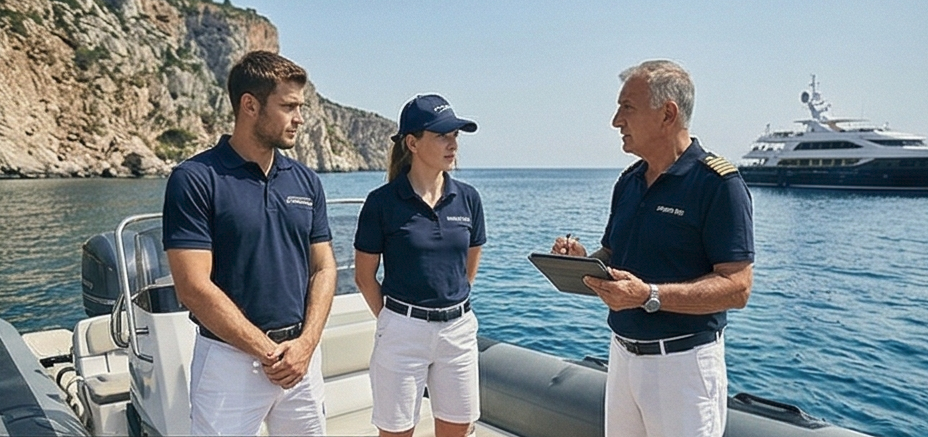
A yachting career is a journey that requires discipline and consistency. A strong start makes a significant difference in the long term.
📄 How to Prepare a Yacht CV
A CV is one of the most important factors shaping a candidate’s first impression in the yachting industry.
Unlike traditional office CVs, yacht CVs should be simple, clear, and role-focused. Employers and captains usually review CVs quickly and expect to find the key information immediately.
A professional yacht CV should include personal details, certifications, sea experience, and references in a clear and structured way. Unnecessary details should be avoided, and experience should be presented in chronological order. Including a photo is common in this industry and enhances the professional appearance of the CV.
Keeping the CV up to date is also crucial. New certifications, completed seasons, and updated references should always be added. A strong CV is the key to reaching the right position faster.
🎯 Interview Process and Key Considerations
Yacht interviews are typically fast-paced and direct. Employers evaluate not only technical skills but also teamwork, stress management, and long-term commitment.
Therefore, interviews are opportunities where character and communication skills are highly visible.
Being honest and sharing real experiences is essential. Exaggerated or inaccurate information may lead to a loss of trust later in the process. Candidates are often asked about previous yacht experience, how they handle difficult situations, and how they work within a team.
A good first impression starts with a professional appearance and clear communication. English proficiency is a key requirement, especially for candidates working on international yachts, and is always assessed during the interview.
📌 References and Building Trust
In the yachting industry, references are as important as a CV—sometimes even more valuable.
References from previous captains, yacht owners, or managers demonstrate a candidate’s work ethic and reliability. Therefore, reference information should be accurate and easily reachable.
It is considered professional to ask for permission before listing someone as a reference. Additionally, references should align with the position being applied for. For example, a stewardess should highlight service and guest interaction, while an engineer should emphasize technical skills.
Strong references give candidates a competitive advantage, especially in highly competitive positions, and can significantly speed up the hiring process.
📈 Career Paths and Promotion Routes
Career progression in the yachting industry is built on clear steps. Many professionals start in entry-level positions and move up through experience and certifications.
For example, career paths such as Deckhand → Officer → Captain or Junior Stewardess → Chief Stewardess are very common. In technical departments, progression typically follows Assistant Engineer → Chief Engineer.
Each promotion stage may require additional training and certifications. Planning your career early, defining your target position, and acquiring the necessary qualifications accordingly provides a strong long-term advantage.
🧭 Roadmap for Beginners
For those new to the yachting industry, the process may seem complex at first. However, with a clear roadmap, it becomes much more manageable.
The first step is completing basic certifications and preparing a professional CV. Then, applications should be made through reliable platforms, followed by careful preparation for the interview process.
Initial contracts are usually focused on gaining experience and form the foundation of a career. The discipline and references gained during this period directly influence future opportunities.
Success in yachting comes from making the right move at the right time. Candidates who are patient and consistent can build a long-lasting and rewarding career in this industry.